
Harriet Tubman Freedom Park opens on Blue Hill Avenue
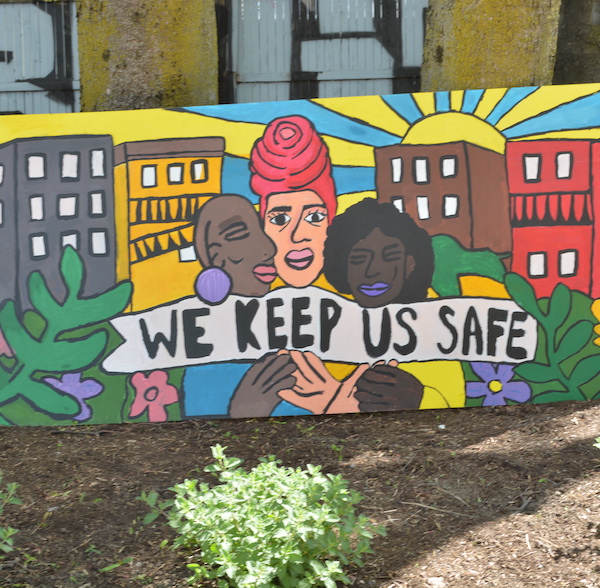
What was once an empty lot has been rechristened the Harriet Tubman Freedom Park, the result of a yearslong effort by the Mass Liberation Network (MLN) and local organizers. The new park, located at 190-192 Blue Hill Ave, will offer community-driven programming, including arts and cultural activities, lectures, and community-building initiatives, while promoting public health and wellness through natural green infrastructure.
“It’s a real testament to the work that everyone here has done and is doing with this neighborhood,” said Office of Urban Agriculture Development Officer Theresa Strachila. “We are always happy to be able to see neighborhoods coming together to develop spaces for themselves and to be building capacity to build and manage these kinds of open spaces. It’s really a way that we’re seeing neighborhoods become thriving and green for everyone.”
“It’s a place for children to play, families to gather, and for our community to breathe, connect, and grow together,” said Boston Liberation Center volunteer Kojo Acheampong. “ I hope it becomes a place filled with laughter, memories, celebration, and community for many, many, many years to come.”
The project came about in response to the 2019 closure of the Harriet Tubman House in the South End.
Though never a residence for the eponymous abolitionist, the Harriet Tubman House housed Black women who were excluded from college dormitories and other respectable rooming houses since 1904. In 1975, the space would serve as a community center offering child care, senior services, and gathering space for Boston’s Black and brown population.
The center would be demolished to make way for a luxury condo development by late 2020, a process MLN Project Manager Andira Alves alleged was an intentional blow by municipal leaders, the Boston Planning and Development Agency, and real estate developers against the Black community.
“When we tried to participate in their process, they stalled us out. We would go to a 6 p.m. hearing only to have our item pushed further and further down the agenda. Their hope was that by 9 p.m., when they finally got to us, the room would be empty. And it worked,” she said.
When the public process proved ineffective, Alves said residents organized a people’s movement that, while unable to save the facility itself, was successful in creating something new.
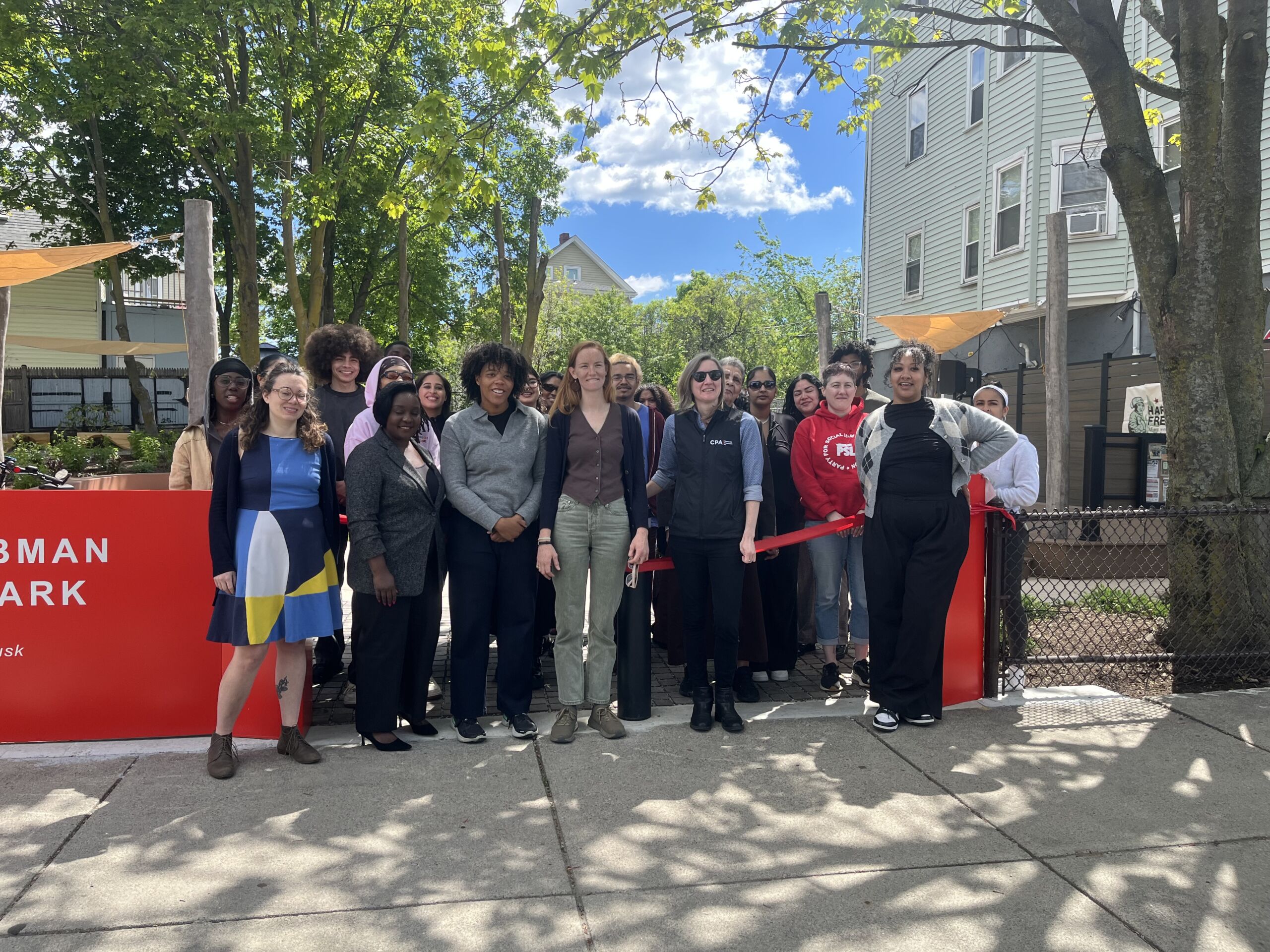
“Losing the building didn’t mean that we lost the fight, because through that struggle, we saw clearly that there were less and less spaces in the city for working-class people to gather,” Alves said. “We started stewarding this once-abandoned city lot and turned it into something living.”
MLN would bid for the lot in 2022 and spend the next few years designing and funding a new park. Local businesses, HighMark Land Design and Jon Bullock Landscaping, were chosen to bring the park to life.
Alves said grassroots organizing is the only way to halt development projects from overtaking community spaces.
“It’s really important to build a broad movement because it’s really easy for any entity, whether it’s a city or a developer, to silo people and alienate them,” she said. “But when we come together and show it’s not what the majority of us want, that’s where real power comes from.”
The park has already begun to see neighborhood use, with a group of kindergarteners from Martin Luther King Jr. Elementary School joining MLN last month to learn about community processes.
On Saturday, the park will host Spring Into Action, a small concert to celebrate the season, meet neighbors, and enjoy live music from 12 p.m. to 4 p.m.


Where exactly is the park’s location?
We just updated the article – 190-192 Blue Hill Ave.