Prohibition ‘up in smoke’ as voters reject Question 8
The Bay State has kept marijuana legal, with more than 75% of voters voting no on Question 8. This follows a months-long prohibition campaign backed by out-of-state donors seeking to overturn the 2016 effort to legalize recreational marijuana use.
Pro-cannabis organizers and budtenders across the state have sounded the alarm that repealing recreational use would roll back the state to War on Drugs-era policies, reduce state tax revenue, and terminate a burgeoning industry.
Supporters of Question 8 argued that since commercial legalization, marijuana has become the most common drug found in fatal car accidents and that modern concentrates and edibles have been linked to mental health conditions.
Both sides were big spenders, with Question 8 becoming the most expensive ballot question. In early October, pro-marijuana advocates spent nearly $6.5 million urging voters to reject the measure. The Yes on 8 campaign spent more than $3.7 million, mostly from SAM Action Inc., a Virginia-based group that has also supported prohibition efforts in Maine.
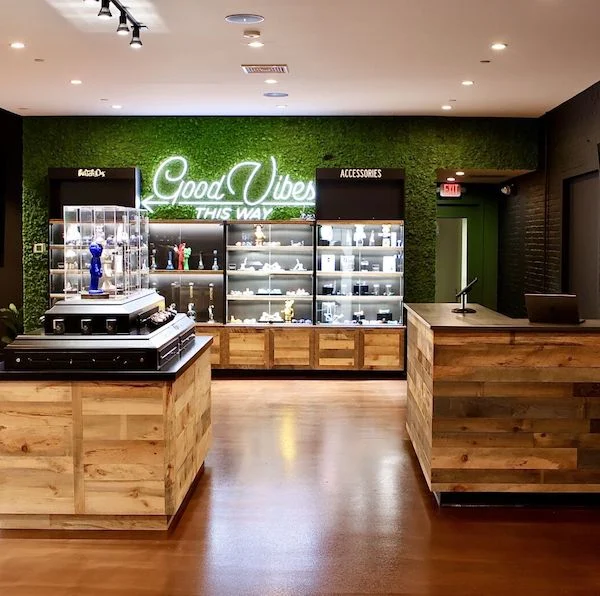
For local dispensers, the question became one of survival. In Hyde Park, Firehouse co-founder Armani White said he went into election night anxious yet optimistic that voters would reject prohibition.
“My business partner and I spent years working to open Firehouse, navigating an incredibly difficult licensing and financing process. The idea that everything we built, and the jobs we’ve created, could be wiped away by a ballot question was unsettling,” said White. “As someone who was arrested for cannabis possession, it’s especially meaningful to now own a legal business in my hometown and know that we can continue building something for our community.”
White said he was relieved and grateful voters rejected Question 8. He now hopes Massachusetts can continue to create opportunities for local dispensers and ensure communities most affected by War on Drugs-era policing can take home a bigger share of the benefit.
“The industry isn’t perfect, and there’s still a lot of work to do to make it more equitable and sustainable for small operators. But I’m glad we can focus on improving what we’ve built rather than dismantling it,” he said.
Nikkie Hanley, Director of Retail Operations at Native Sun Cannabis, said that the Cannabis Control Commission and local dispensers need to hold themselves to a high level of accountability as stewards of this industry.
“I think that’s what the people voted for. They believe in what we’ve built and believe we can build it to last. I think there’s positive momentum and conversation around cannabis in Massachusetts right now and I’m excited to be part of that conversation and continue learning and educating folks about the plant and industry,” she said.
Voters also passed questions that will expand public record law to include the governor and state legislature, allow public defenders to form a union, and uphold gun restrictions. Voters rejected Question 3, preventing single-party ‘jungle’ primaries and maintaining the partisan primary process.
Questions 5 and 7, which would change state revenue limits and the minimum lot size for single-family homes, were too close to call the following morning. By the end of Wednesday, voters rejected both questions.
Massachusetts incumbents also celebrated a major victory with Senator Ed Markey, Representative Stephen Lynch, and Governor Maura Healey remaining in office.
The Associated Press called Healey’s race against Republican Mike Minogue shortly after the polls closed Tuesday night. Despite recent polling indicating that Massachusetts voters believe the state is heading in the wrong direction, Healey told supporters she may not “get it right every time,” but she promised to work harder every day.
“…To those who supported my opponents in this race, here’s my promise: I’ll show up for you. I’ll fight for you. I’ll be a governor for everyone,” Healey said.